
Returning to Your Fall Schedule…and How That Means for You
Summer has a way of loosening everything. The mornings are slower, the evenings stretch out, and even when your days are full, they don't feel the same as they do the rest of the year. Then September shows up, and with it comes the schedule. School routines, work rhythms, appointments, activities... all of it lands at once, and it doesn't always land gently.
Some of you are dreading this. You'd stay in the slower pace of summer if you could, and you feel a genuine sense of loss watching it go. Others of you have been waiting for September since July. The structure of Fall feels like relief, something to hold onto after weeks of loose ends and no real plan.
Both of these responses are valid. There's no right way to feel about the transition back to a fall schedule, and you don't have to talk yourself into feeling differently than you actually feel.
We wrote about this kind of seasonal shift a few years ago in Why Are You Not Looking Forward to Fall?, and it's worth revisiting now that we're back in it. If the return to routine brings up more than just mild reluctance, if it brings up dread, or a tightness in your chest, or a sense of bracing yourself, that's worth paying attention to.
Finding safety in the transition
If you've lived through a traumatic experience, transitions themselves can be hard, regardless of what the transition actually is. A new schedule asks your nervous system to adjust, and if your nervous system already knows what it's like for things to change suddenly and without warning, that adjustment doesn't always feel safe just because it's expected.
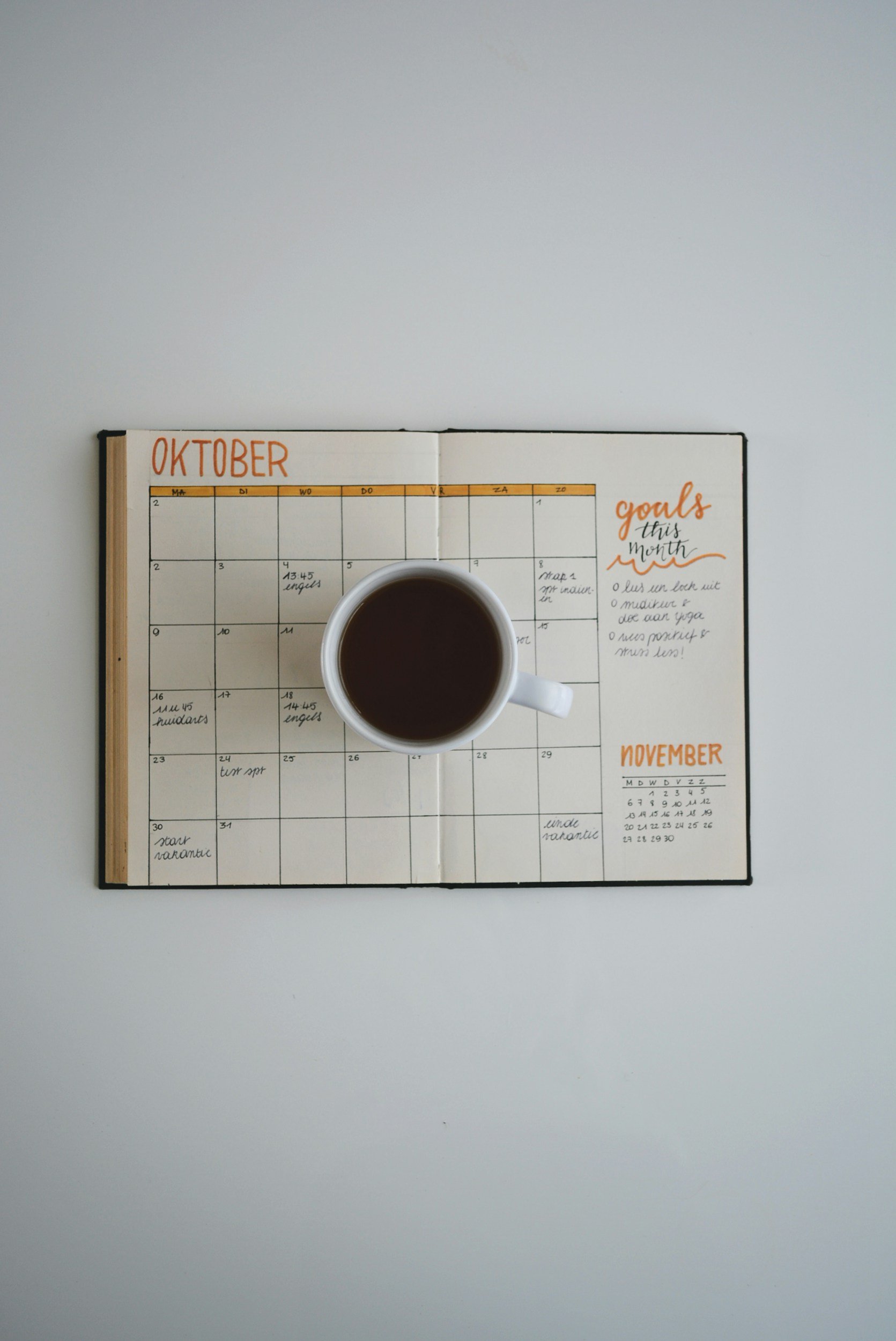
So the question worth asking isn't just "how do I get through September." It's "what would help me feel safe as things change."
For some of you, safety looks like predictability, knowing what Monday actually looks like before Monday arrives. For others, it looks like having one person you check in with regularly, so you're not adjusting alone. It can look like building in small pockets of the summer pace you don't want to lose entirely, a slow morning once a week, one evening with nothing on the calendar. Safety isn't the same for everyone, and it isn't something you find once and keep forever. It's something you build, a little at a time, as the season asks something new of you.
We talked about how trauma lives in the body, not just the mind, in What Does Trauma Look Like?, and that's true here too. Your body will often tell you what safety requires before your thinking mind catches up to it.
What's your capacity…right now?
Last September isn't this September. Something has shifted, in you, in your family, in your work, over the course of the summer, even if it doesn't feel obvious yet. Maybe your energy is different than it was a year ago. Maybe your job has changed, or your kids are at a different stage, or you're carrying something this year that you weren't carrying last year. Here are some questions to consider…
What's changed for you, your family, or your work since last Fall?
It's worth sitting with that question honestly before you build your schedule around what worked before. Your capacity for change, for time, for the sheer energy that a fall schedule demands, might genuinely be smaller than it was last year. That's not a failure of planning. It's information. Building a fall you can actually sustain starts with knowing what you have to work with now, not what you had last September.
What fills you and what drains you?
Once you know your capacity, it helps to look at what's actually going to fill your schedule this Fall.
What do you love about your schedule? What fills you, and what drains you?
I’d encourage you to take that question seriously enough to write down an actual answer. Some of what's on your calendar restores you, and some of it depletes you long before the day is over, and most of us have never separated the two out on paper. When you can see them side by side, you can start making different choices about where your time and energy actually go.
Who do you love in your schedule?
The people you see because of routine, school pickup, carpools, standing coffee dates, family commitments, matter here too. You're allowed to love the people and still need boundaries around the time and energy those relationships ask of you. Protecting your schedule isn't the same as protecting yourself from the people in it. It's making sure the parts of your life that fill you actually have room to breathe, instead of getting crowded out by everything else.
What are you dreading, and does it have to be yours?
Every Fall schedule has at least one thing on it that sits like a weight before it even happens.
What are you dreading?
Why are you dreading it?
Do you have to do it?
Could someone else help make it happen?
Sit with each of those questions in order, because they build on each other. Naming the dread is the first step, but naming why you're dreading it tells you something more specific, whether it's the task itself, the person involved, the timing, or the sheer volume of everything landing at once. And then the harder question, whether it actually has to be you. Not everything on your plate needs to stay on your plate. Some of it can be shared, delegated, or set down for this season, even if you've always been the one who handles it.
Notice what comes up in your body
As you've been reading through these questions, something has likely happened in your body already. Maybe your shoulders came up toward your ears. Maybe your breath got shorter. Maybe you felt a knot form somewhere, or maybe you felt a kind of relief you weren't expecting.
Notice that. Name it, even just to yourself. What did your body do as you read this, and what does that tell you about the answers you just gave? Your body is often more honest than your first-draft answers are, and it's worth going back through the questions above with that in mind, once you've noticed what came up physically.
Giving yourself voice and choice
Underneath a lot of the dread we carry into fall is a quiet belief that we don't actually have a choice. That this is just what's expected, of a parent, a partner, an employee, a person who shows up for people. It can feel like everything on the calendar is a "have to," dictated by what your children need, what your partner assumes, what your job requires, what everyone else has come to expect from you.
But it's worth asking what it would mean to actually have voice and choice in how this fall looks. Not a fantasy version where nothing is required of you, but an honest look at which of those "have tos" are truly non-negotiable, and which ones you've simply never questioned. If something on your schedule is draining you, and draining the family life you're trying to protect, it may be time to consider saying no to it. Not forever. Just for now, while you rebuild your capacity for everything else that matters.
You don't have to have this all figured out by the first week of September. Come back to these questions as the season goes on, because your answers will shift as you do.
If reading through this brought something up for you, something that feels bigger than a busy schedule, we'd love to talk with you about it. Reach out to us at info@panoramawellnessgroup.ca to learn more about counselling at Panorama Wellness or you can request a consultation here.
You don't have to find your footing this Fall alone.
