Ask most women what self-care means and you'll get some version of the same answer. A massage. A weekend away. A bath with the door locked. Those things are real, and they're not wrong. But if that's the whole definition, self-care ends up being something you get to once a year, when you finally hit a wall and need to recover from it. That's not self-care. That's damage control.
Self-care after 45 needs to be something different. Not an occasional escape from your life, but a way of thinking that shapes how you move through an ordinary week. The shift starts with one sentence: I matter as much as everyone else in my life. Not more. Not less. As much. For a lot of women, that's not a sentence they've fully believed in decades, if ever.
Why This Shift Happens Now
If you've read Who Am I Now? or When Friendships Fade in Midlife, you already know this territory. Somewhere in your 20s and 30s, most women build an identity around making sure everyone else is okay. Kids, partner, aging parents, the friend going through something hard. It's not a flaw. It's often what the season required.
Then the season changes. Kids grow into young adults who need you less, or need you differently. Parents get older and start needing you more, sometimes suddenly. Work commitments shift, whether you're slowing down by choice or circumstance. And somewhere in the middle of all that change, a question starts surfacing that used to feel almost unthinkable: what do I want?
That question can feel disorienting at first, even selfish. You've spent 20 or 30 years asking what has to happen this week, not what you actually want out of it. The shift from "this has to happen" to "what do I want, and what do I actually have the energy for" is the real work of self-care in this decade. It's not one decision. It's a hundred small ones, made differently than you used to make them.
Think in Spoons, Not Shoulds
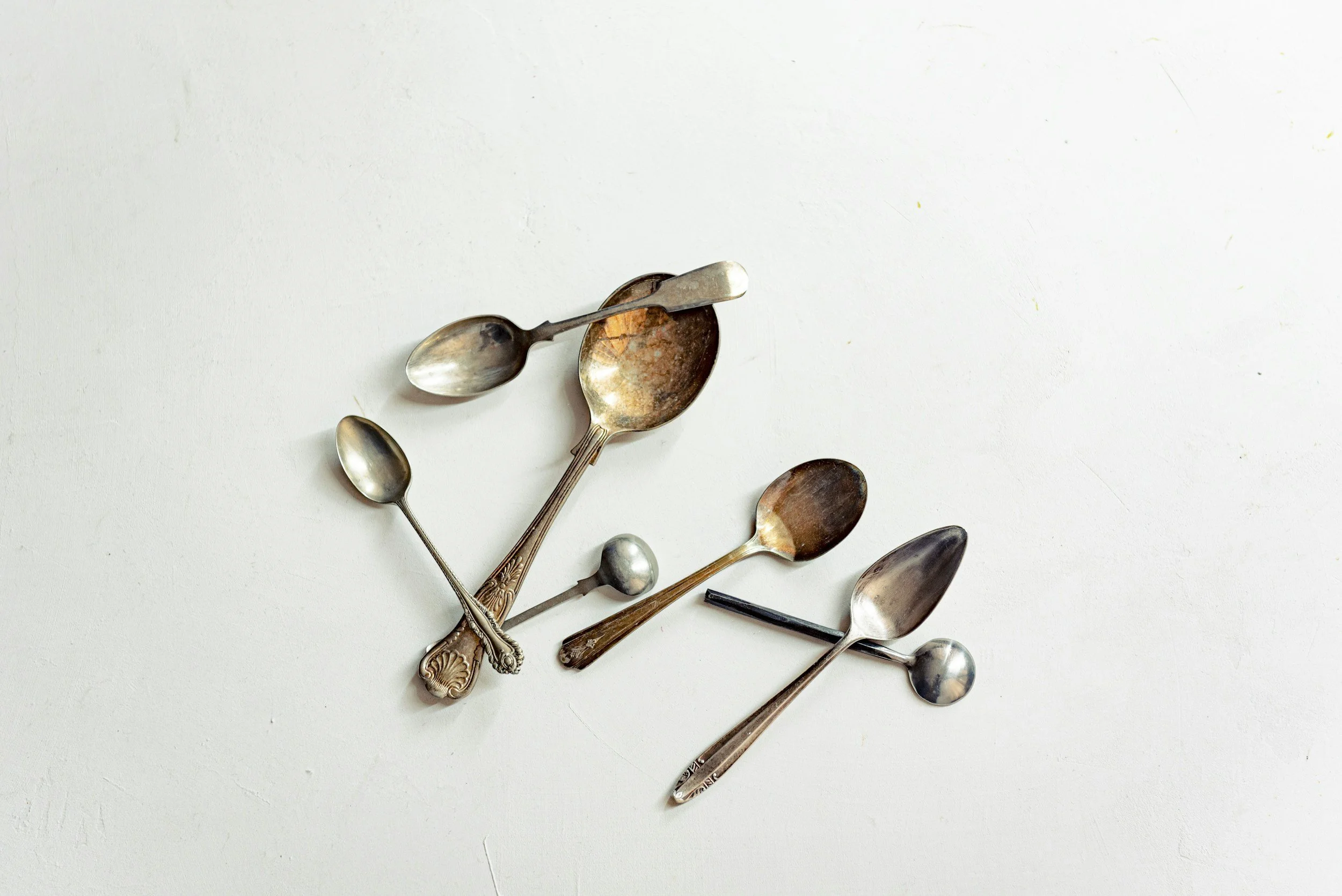
There's a concept called spoon theory that's useful here, even though it was originally written for people managing chronic illness. The idea is simple. You start each day or each week with a limited number of spoons, a stand-in for energy and capacity. Every task costs a spoon. Some cost more than others. Once they're gone, they're gone, whether or not everything on your list got done.
Most women in their 40s and 50s are operating on fewer spoons than they used to, not because something is wrong with them, but because midlife asks for more. Perimenopause and menopause change sleep, energy, and mood in ways that cost spoons before the day even starts. Aging parents cost spoons. Adult children navigating their own messy young adulthood cost spoons, even when you're not doing anything but worrying about them.
The old model was to keep going until the spoons ran out, then collapse and start again. A better model is to look at your week honestly and ask what you actually have capacity for, so you end the week in a decent place rather than exhausted and hiding in your bedroom by Sunday night. That's not lowering your standards. That's finally applying some standards to how you spend yourself.
What This Looks Like in Practice
Self-care as a mindset needs action points, or it stays an idea you agree with but never live out. Here's where it tends to show up.
Exercise. This is a choice question before it's a fitness question. If you have the time, energy, and desire to train the way you did in your 30s, that's great, go for it. If that same routine now leaves you flattened for two days, it's not working for you anymore, no matter how well it worked before. Walking counts. Thirty minutes at the gym counts just as much as 90. Swimming, Zumba, dancing in your kitchen, all of it counts. The question isn't what a good workout is supposed to look like. It's what you want to do with the energy you actually have.
People. Who you spend time with either fills your tank or drains it, and that list has probably changed. Maybe you used to host big parties and don't have the appetite for that anymore. That doesn't mean the extroverted part of you disappeared, it might just want something different now. A tight circle of close friends might be exactly right. Or you might want to mix in some lighter, lower-stakes friendships too, the kind that bring a bit more fun into your week without requiring depth every time. Both are valid. The point is choosing on purpose instead of defaulting to whoever's left in your calendar.
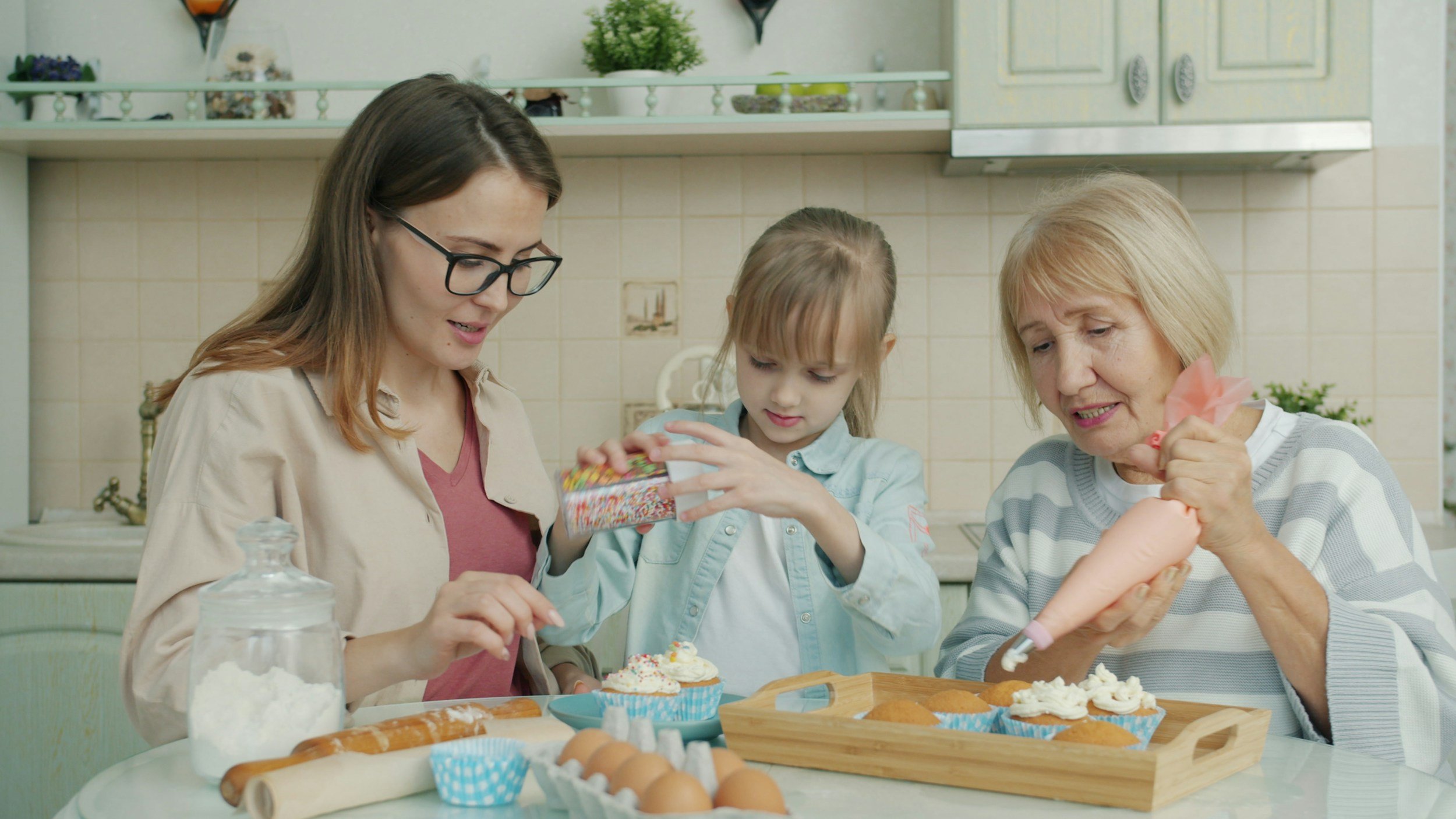
Activity. You don't need a hobby to be well. But it's worth asking whether you'd let yourself try a few things you've always been curious about, without needing to be good at them, or even end up loving them. Give yourself permission to be a beginner at something for no reason other than curiosity.
And if spending your weekend with your grandchildren or your adult kids already feels like it fills you up, that counts too. But it's worth getting specific about why. There's a real difference between activity that restores you and activity that's just a familiar place to disappear into. Caring for a grandchild can be genuinely nourishing, the kind of thing that leaves you lighter at the end of the day. It can also be a comfortable way of staying busy so you don't have to sit with a quieter question, like what you'd do with an afternoon that had nothing required of you at all.
Neither answer is wrong. Filling your weekend with your kids and grandkids because it genuinely lights you up is self-care. Filling it because an empty afternoon feels unfamiliar, or even a little frightening, is worth noticing too, not because it needs to stop, but because it's information. The honest version of this question isn't did I enjoy it. It's would I still choose this if nothing else was pulling at me right now, or am I choosing it partly because it's easier than facing the quiet.
Learning. A class, a book, a new skill, a language you've always wanted to pick up. Learning something new keeps a part of your mind active that caretaking rarely uses, and it belongs to you alone.
Work or giving back. For some women, meaningful work is self-care. For others, it's volunteering, using skills you've built over decades in a way that feels useful to something bigger than your own household. Either can be exactly the right kind of spoon to spend, depending on what you need that season.
And yes, the traditional version still counts too. The massage, the pedicure, the weekend away with no one else's schedule to manage. Those aren't lesser forms of self-care just because they're the obvious ones. They're simply not the only ones.
What Fills Your Tank Right Now?
Self-care isn't a fixed list. What filled you up at 35 might not touch the sides at 48, and that's not a loss, it's just true to where you are now. The only real question worth asking on a regular basis is what your favourite way to practice self-care looks like right now, this season, with the energy you actually have.
If you're finding it hard to even answer that question, that's worth paying attention to. Sometimes the hardest part isn't finding the time for self-care. It's believing you're allowed to want it in the first place.
If you're finding it hard to know what you want, or hard to give yourself permission to want it, I'd love to talk with you. You can book a free 15-minute phone consultation through the Panorama Wellness website anytime.
