
There is a particular kind of quiet that settles in when the house starts to feel different. Maybe your youngest just got their driver's licence and suddenly you are not needed for rides anymore. Maybe the graduation photos are up on the wall and your kid has moved out — or maybe they still live at home, but the relationship has shifted and you are no longer organizing their life. The lunches don't get packed. The curfews don't get enforced. The schedule that once structured your entire week has loosened, and you are left standing in the middle of it all thinking: so now what?
If you are a woman in your 40s or early 50s living in Surrey, White Rock, or Langley, there is a good chance you are in the middle of one of the most disorienting — and quietly significant — seasons of your life. And you may be asking a question that feels almost too big to say out loud:
Who am I now?
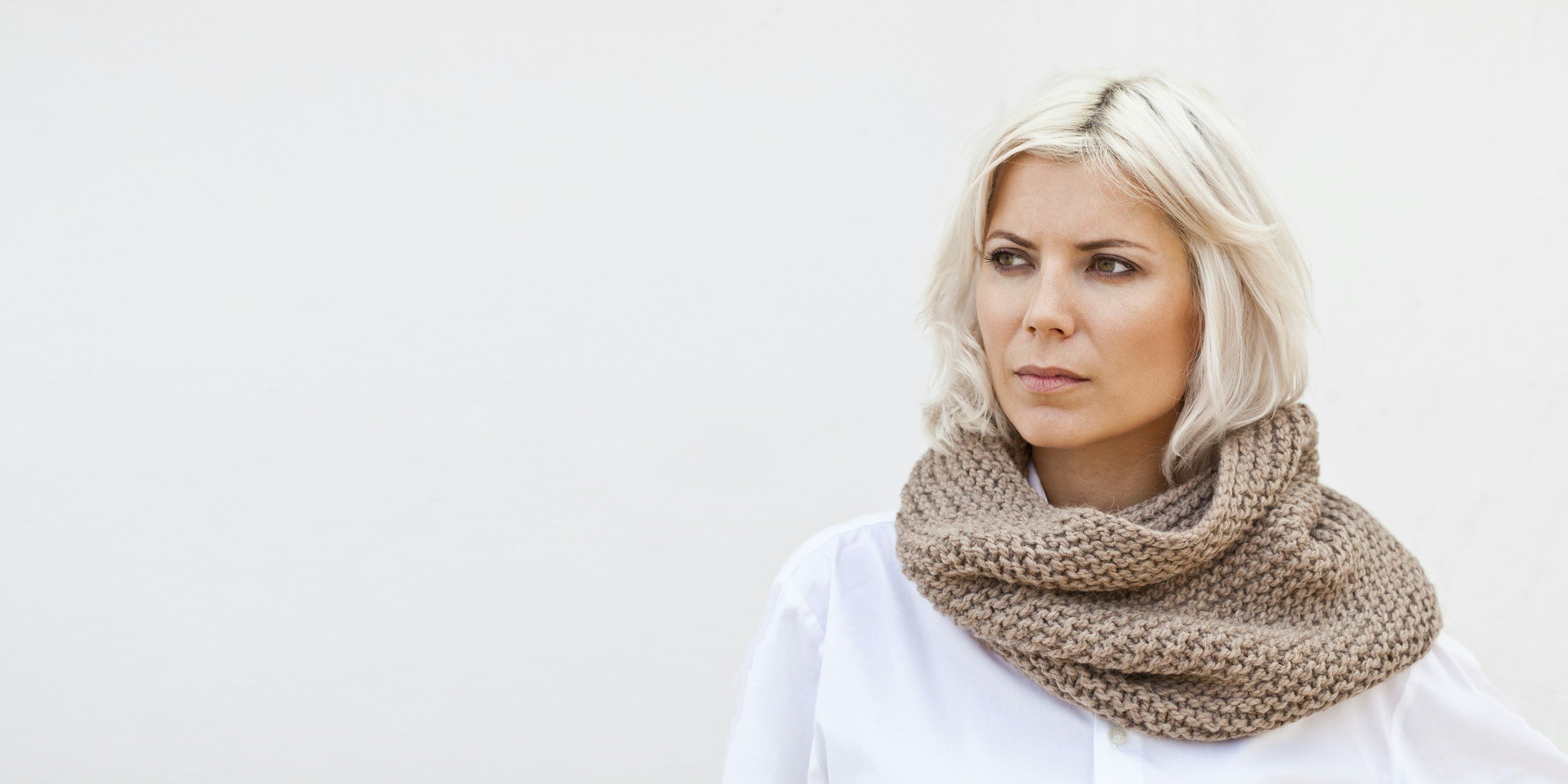
This is not a crisis, even though it can feel like one. It is actually an invitation — a difficult, sometimes grief-filled, ultimately meaningful invitation to get reacquainted with yourself.
The Role That Defined You Is Changing
For many women, the years of raising children were years of building an identity around being needed. Being the one who remembered everything. Being the one who organized the birthday parties, kept the fridge stocked, knew every teacher's name. Being the emotional centre of a household.
And then, gradually or all at once, that role shifts. It does not disappear entirely, but it changes shape. And if you have spent a decade or two building yourself around that role, the shift can leave you with a strange feeling of emptiness — not because your life is empty, but because the scaffolding you were leaning on has moved.
This can be complicated further when other losses arrive alongside it. The death of a parent — which often happens around this time of life — is not just grief over losing someone you love. It is also the moment when you quietly become the older generation. There is no one left above you in the family. You are the adult now, in a way you have never quite been before. That shift in the family structure can shake loose a lot of questions about identity, legacy, and what your life actually means.
And if you are also navigating a divorce, or wondering if your marriage can survive who you are becoming, the question of identity gets even more layered. More on that in a moment.
Can I Still Be Loved If I Am Authentically Myself?
This is one of the most honest questions I hear from women in this season. And it deserves an honest answer.
You might be starting to notice that you no longer want to plan the dinner party that no one reciprocates. You are tired of being the one who organizes the group chat, initiates the plans, and holds everyone else's social calendar together. You are beginning to say no to things you used to say yes to automatically — and it feels both liberating and terrifying at the same time.
What if people stop liking me? What if I stop being invited? What if, when I stop performing all of this, no one actually shows up?
Here is what I want you to hear: it is okay to say no. It is okay to take care of yourself. And a lot of times, when you start doing that, something unexpected happens. You stop showing up out of obligation, and you start showing up because you genuinely want to. Things become lighter. More true. More connecting.
Relationships built on the version of you that said yes to everything were not actually built on you. They were built on the performance of you. When you start showing up as yourself — with real preferences, real limits, real needs — the relationships that survive that shift are the ones that were actually real to begin with.
The Loneliness of Becoming More Yourself
I want to be honest with you about something. Choosing authenticity does not immediately feel like freedom. In the short term, it can feel lonely.
When you stop organizing all the gatherings, some friendships may fade. When you stop inserting yourself into social situations that do not feel like a natural fit anymore, your social circle might get quieter. This is real, and it can be discouraging. It can make you wonder if you made a mistake.
What it actually means is that you are becoming more intentional. You are starting to ask a different question: not "how do I keep everyone happy and connected?" but "who do I actually want to pour my energy into?"
That is a harder question. It requires you to know yourself well enough to know what you value in connection. It requires you to be willing to invest in a smaller number of relationships more deeply, rather than maintaining a wide network of surface-level ones. And it requires you to be patient with the process — because finding "your people" at 45 or 50 takes time.
But when you find them? You laugh harder. You feel more seen. You can trust the relationship in a way you could not before, because you know it is based on who you actually are, not on what you did for everyone.
When Your Partner Does Not Know What to Do With Who You Are Becoming
This is one of the most common things women in this season experience, and one of the least talked about.
You are changing. You are growing. You are shedding versions of yourself that no longer fit. And your partner — who signed up for a particular person, in a particular season of life — may be confused, uncomfortable, or even a little threatened by who you are becoming.
I once came across a quote from a man who said he had been married to five different women over the course of his fifty-year marriage — because his wife kept changing and growing. He did not say it with resentment. He said it with love. Because he had chosen, again and again, to get to know her.
That is actually an option available to you and your partner right now. You can frame this season not as a problem to solve but as an invitation: can we get to know each other again? Start dating again. Build trust deliberately. Ask questions you have not asked in years. Be curious about who this person is now, and let them be curious about you.
Some couples find that the empty nest years become some of the most connected and alive years of their relationship — because they finally have space to be a couple again, not just co-parents.
And If He Cannot Come With You
Sometimes, despite every effort, a relationship cannot hold the shape of who you are becoming. And divorce — at 45, at 50, at 53 — is its own particular kind of hard.
There is real grief in it, even when you are the one who chose it. There is also, sometimes, shame — the feeling that you should have figured this out sooner, or that something is wrong with you for wanting more, or that you are too old to start over. There is fear about finances, about dating, about being alone in a way you have not been since your twenties.
All of that deserves to be held carefully. A good therapist that you trust, in a space that feels safe can help you process the grief, examine the shame without drowning in it, and sort out the fear from the actual reality of what your life could look like.
It is hard to be on your own again at this stage of life. That is simply true. And it is also true that this can be one of the most honest, most growth-filled seasons you have ever walked through. The question worth sitting with is: who do I want to be in this chapter? Not who do I have to be, or who should I be. But who do I actually want to be?
There is real lightness possible on the other side of that question. A little fun, even. A sense of finally getting to know yourself without the noise of everyone else's needs filling up all the space.
You Do Not Have to Figure This Out Alone
If you are in Surrey, White Rock, Langley, or the surrounding South Surrey area and finding yourself in this season of questioning, the counsellors at Panorama Wellness are here to support you.
This is the kind of work I find meaningful sitting with women who are in the middle of figuring out who they are, what they want, and how to move forward with honesty and intention. Whether you are navigating an empty nest, a shifting marriage, a divorce, the loss of a parent, or just that quiet but persistent feeling that something needs to change, I would be glad to walk alongside you.
You deserve relationships — with others, and with yourself — that feel true. Let's work toward that together.
PS You may also be interested in an earlier blog where I talk about “Menopause, Midlife, and Relationships: When You Start Wondering “Is This Working for Me Anymore?”
If the question of who you are right now feels too big to sit with alone, that's exactly what therapy is for. I work with women navigating midlife identity shifts, transitions, and the quiet grief that often comes with them. If you're in Surrey, White Rock, or anywhere in BC, I'd love to connect. You can learn more about working with me or book a free 15-minute consultation on my Therapy for Women page.
